Selling on bol from China: entity, VAT, stock and compliance (2026 guide)

Written byBerend · Sales Adviser
Selling on bol from China is possible: since bol opened to non-EU sellers in 2025, China is one of only three non-EU countries on its application form. The door is real. What is not real is listing from Shenzhen, shipping from China and letting bol handle the rest.
How big is bol for a seller from China?
bol is the home marketplace of the Netherlands and Belgium: 14 million customers, €6.3 billion GMV in FY2025 (up 8.4%, per parent Ahold Delhaize), 63 million articles and around 26 million active end users a month.
Partners carry about half of that GMV: third-party online sales were €3,125 million in 2025. Ahold Delhaize reported in both the first and fourth quarter of 2025 that bol doubled net consumer online sales from its international partner channel.
bol sells in Belgium too, and the French-speaking part needs French, from packing slips to delivery appointments for large and heavy items. More on the bol integration page.
What changed in 2025: China is on the list
China is one of exactly three non-EU countries in the country dropdown of bol's International Prospects form, next to Türkiye and the United Kingdom; the route itself is in the international sellers programme guide.
The form is in English only, we found no bol pages in Chinese, and it asks directly whether you have a warehouse in the EU. bol answers the application within five working days or not at all, and registration afterwards is by invitation only, on a one-time link.
The opening was phased. Trade press reported in June 2025 that bol was admitting non-EU sellers for the first time, with the first hundred expected that year, quoting ecommerce director Oscar Hundman that quality is not a promise but a requirement.
The requirements bol actually publishes
The uncomfortable part: bol has never published a softer requirement set for applicants outside the EU. The form leads to the EU partner criteria, five of them, opening with a registered EU company that bol marks mandatory and closing with integration via a bol-certified API partner. Each one, including the €500,000 sales potential bar, is unpacked in the international sellers programme guide.
The translation for selling on bol from China: an EU-registered entity, your own subsidiary or a structure via a partner; EU stock; Dutch-language service; and a certified integrator picked before you apply, since the form asks for one. e-tailize is listed by name in that integrator dropdown, as a Silver Partner with bol's Internationally Certified badge.
Do not build a business case on an unpublished exception: if bol treats applicants differently, it says so nowhere public. The same logic covers every non-EU country, set out in selling on bol from outside the EU.
KYC: every field has to match
Once invited, registration starts with a bol user account on a unique email address with two-step verification. One bol account owns only one seller account.
Company verification runs through bol's external partner Duna on the trade register entry, VAT number, UBO details, ID and SEPA account, then a background screening of several weeks; the full pack is in the international sellers programme guide.
One rule saves more time than any other: company name, legal entity, contact person and ID must match exactly, in every document. Change any of them after you have submitted and the submission restarts.
Stock and delivery: why your stock has to sit in the EU
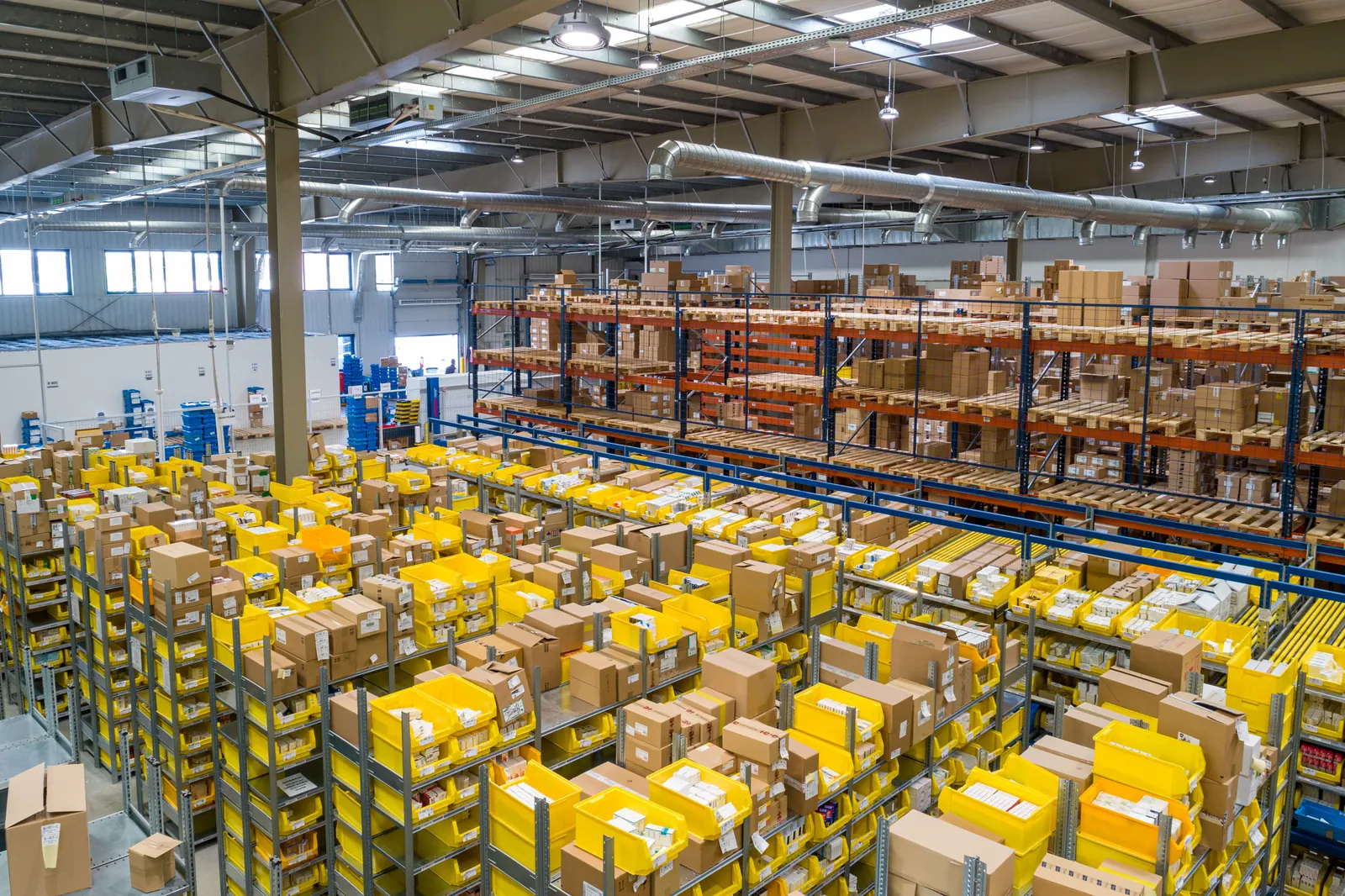
Shipping from China straight to the customer does not work as an operating model on bol. Orders must reach the customer within three working days, enforced at onboarding, which rules out per-order air freight from Asia. The stock has to sit in the EU before the order comes in.
Three routes lead there: your own EU warehouse, a third-party logistics provider holding an imported batch in free circulation, or Logistiek via bol, which is open only to a partner registered with the chamber of commerce of an EU member state and needs your own Dutch VAT number. The provider shortlist bol publishes and the fine print on that third route are in the outside-EU guide, and we weigh the models in cross-border fulfilment options.
Whichever route, the goods are imported into an EU country and in free circulation first, with the import documents and MRN kept; for Logistiek via bol, bol adds that stock may never come straight from a non-EU country into its warehouse.
VAT: when bol collects it for you
Which VAT rules apply to selling on bol from China depends on which entity holds the seller account. bol becomes the deemed supplier when the partner is established outside the European Union, without a fixed establishment in the EU, and supplies goods from an EU fulfilment centre to EU customers. bol then withholds and remits the VAT due on those sales; you neither charge nor remit it.
The legal sale still runs between you and the customer, with a fictitious sale to bol in between. Invoices arrive rather than leave: bol issues the customer invoice including VAT, then a self-billing invoice to you for the sales price minus the withheld VAT. Costs and revenues land as one combined document on the first day of every invoicing period, monthly or every two weeks. Commission is charged without VAT to partners outside the EU.
Trade through an EU-registered entity and none of that applies. A Chinese group selling through its own EU subsidiary is an EU partner for VAT and handles it as any EU company does: it charges the VAT on its sales, invoices its customers and remits the VAT itself. Check with an adviser which applies to your structure.
bol's VAT pages also describe a second deemed supplier situation, goods worth at most €150 shipped directly from a non-EU country to EU customers. Read that as a VAT rule, not an operating model: e-tailize requires EU stock, and bol expects the order at the customer within three working days, so direct shipping from China is not the route for a bol partner working with us.
Two footnotes. Logistiek via bol still requires your own Dutch VAT number. And bol's partner pages do not cover IOSS, OSS, EORI or a fiscal representative as far as we can find; those belong to general EU import practice, one for your tax adviser.
Compliance: importing changes what you legally are
VAT gets the attention. Compliance is the bigger risk, because importing changes what you legally are: bol states that goods brought in from outside the European Economic Area, for example from China, turn your role from distributor into importer, and under your own brand you are the manufacturer too, responsible for the EU Declaration of Conformity. An item imported from outside the EEA may not be sold via bol without the trademark holder's permission.
The responsible economic operator
Per item bol wants the manufacturer's name, address and electronic address, and separately a responsible economic operator in the EU, your importer or an authorised representative, with a postal and an electronic address. From 5 March 2026 new ranges without manufacturer details do not go online. bol announced a second step for 1 April 2026 covering the operator, then said it will not, for now, take items offline when only the operator is missing, while repeating that providing one remains a legal obligation. Right item data up front, EAN codes included, beats repairing a blocked range.
The same operator records serve the Digital Services Act, and extended producer responsibility catches the importer again, since the producer is whoever first places an article on the Dutch or Belgian market. Those obligations, the written power of attorney Belgium wants and the PPWR packaging rules from 12 August 2026 are worked through in the outside-EU guide.
Dutch-language service and the quality score
bol has replaced the performance score with a quality score: 0 to 100 over 22 weeks, minimum 65, extra benefits from 70, and at 64 or lower bol may terminate the account after four months to improve. The five service standards behind it, with their targets and strike rules, are tabled in the international sellers programme guide.
The scored standard is response time on customer questions: 90% within 24 hours, weekends and Dutch and Belgian public holidays excluded, the time difference not. The language is an admission criterion, not a score: bol expects customer service in Dutch, so plan Dutch-speaking support across Dutch business hours, in-house or outsourced, and French for French-speaking Belgium.
What selling on bol from China costs
No subscription and no listing fee: a free professional seller account and commission on the items you sell, made up of a fixed amount per item by item type and price, plus a percentage of the selling price by category. Commission is charged without VAT to partners outside the EU, and a non-EU partner settles through the combined invoice, issued on the first day of each invoicing period. The current ranges are in the international sellers programme guide and your exact rate in the seller account.
A realistic timeline and a checklist
No one can promise a date. Plan against the published numbers: five working days of silence means no, several weeks of screening, under three weeks of onboarding once invited, a wait until next year after a rejection. The long pole is rarely bol: it is the entity, the VAT registration, the first pallet in Europe and the compliance data. The checklist for selling on bol from China is short, and every line is a gate.
- EU-registered entity: trade register entry, e-commerce NACE code, UBO details, SEPA account in the company name.
- VAT registration in the country of establishment, plus a Dutch VAT number for Logistiek via bol.
- Stock in the EU in free circulation, import documents and MRN kept, delivery within three working days.
- Manufacturer details and an EU responsible economic operator per item, EPR registration, power of attorney for Belgium.
- Dutch-language customer service, French for French-speaking Belgium, and content your Dutch and Belgian customers can read.
- A bol-certified integrator named in the application.
- The International Prospects form in English, with your warehouse answer and a credible sales case.
- A KYC pack where name, legal entity, contact person and ID match exactly, then frozen.
- Registration, e-learning, shop profile, go live, quality score from day one.
This is where a certified integrator earns its fee: the application and onboarding first, then the daily run of listings, stock, prices and orders. A marketplace exploration call tests assortment fit before any of it.
e-tailize is a Dutch marketplace-expansion company. For sellers outside the Netherlands and Belgium, bol is by invitation: via a partner like e-tailize. We prepare and submit your application and bol decides; after that we run the day-to-day from one place, with prices and stock syncing within five minutes. The same setup reaches 200+ marketplaces and integrations. Expansion starts at €349 a month; all three packages are on our price page.
Frequently asked questions
- Can a Chinese company sell on bol?
- Yes, in principle. China is one of only three non-EU countries on the country list of bol's International Prospects form, alongside Türkiye and the United Kingdom, and that form is the only published route. Admission is by invitation: a good match hears from bol directly, and silence after five working days means bol will not proceed this time.
- Can I ship from China straight to Dutch customers?
- Not as an operating model. Orders have to reach the customer within three working days, which per-order shipping from Asia cannot meet, so your stock needs to be in the EU before the order arrives. Use your own European warehouse, a third-party logistics provider or, once you have an EU-registered entity with a Dutch VAT number, Logistiek via bol.
- Who handles the VAT?
- It depends on which entity holds the seller account. bol becomes the deemed supplier, withholding and remitting the VAT, when the partner is established outside the EU without a fixed establishment there and supplies from an EU fulfilment centre. Trade through your own EU-registered entity and you are an EU partner for VAT, charging and remitting it yourself.
- What is a responsible economic operator?
- Under the GPSR it is the importer or authorised representative established in the EU that bol requires you to name for each item, next to the manufacturer, with a postal and an electronic address. Without one the item may not legally be offered on the EU market, even though bol has postponed taking items offline for a missing operator.
- What happens if my company details change during bol's KYC?
- The submission restarts. Company name, legal entity, contact person and ID have to match exactly across every document, so changing any of them after you have submitted sends the pack back to the start. Freeze it before you send it, passport or ID and the SEPA account in the company's name included.
- Is bol's application form available in Chinese?
- No. The International Prospects form is in English only, and we found no bol pages in Chinese. The harder language requirement sits on the customer side: bol expects customer service in Dutch, plus French if you sell into French-speaking Belgium.